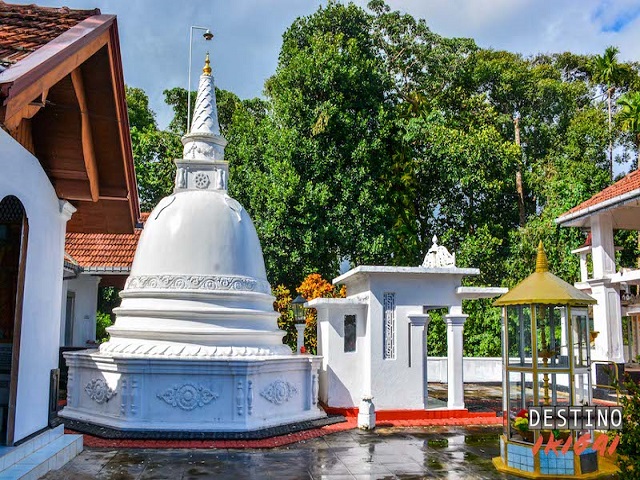
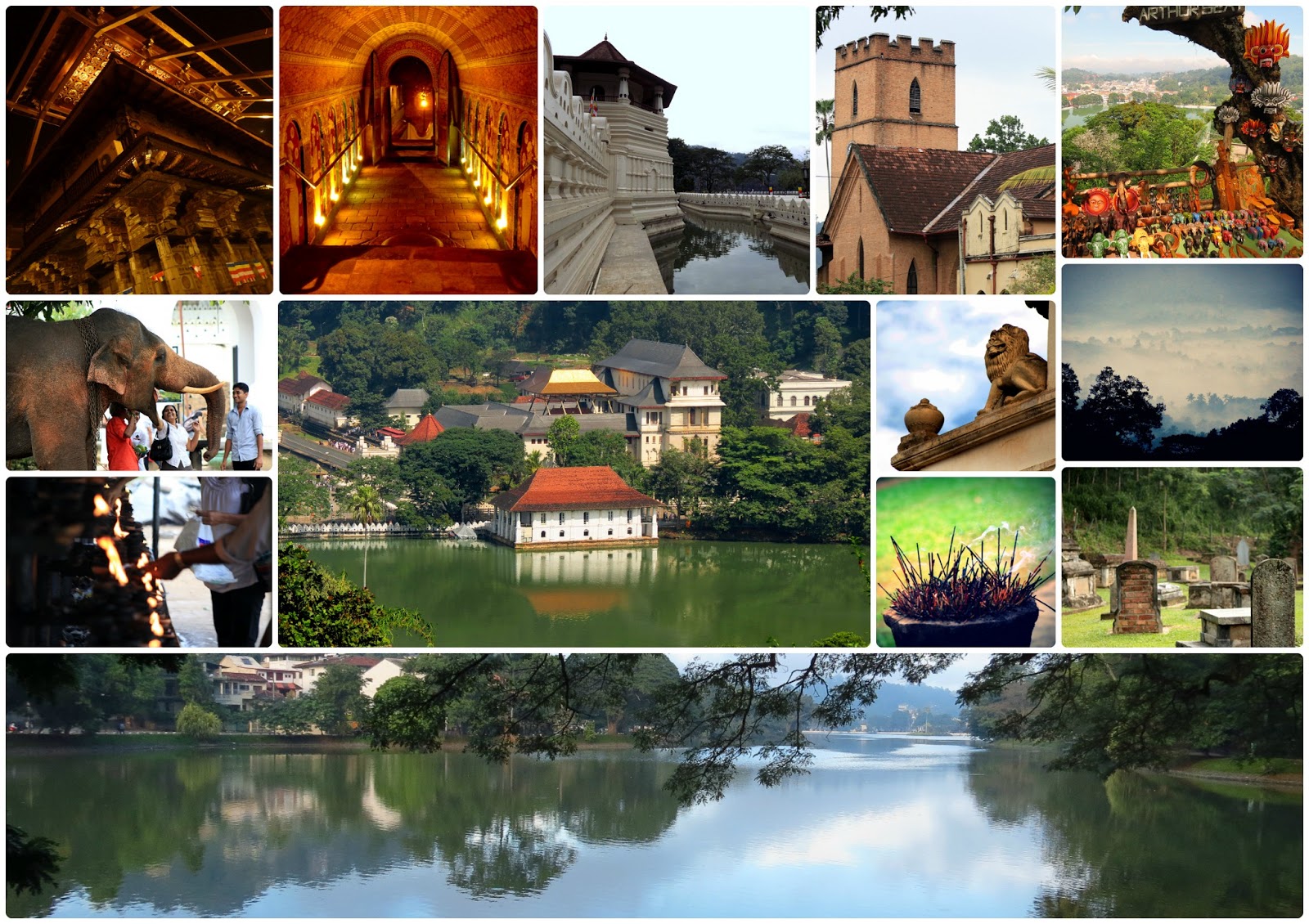
Heritages of Sri Lanka
According to traditional Sri Lankan chronicles, such as the Dipavamsa, Buddhism was introduced into Sri Lanka in the third century BCE after the Third Buddhist council by Arhanthà Mahinda thero, son of Emperor Ashoka, during the reign of Devanampiya Tissa of Anuradhapura. After the arrival of Arahantha Mahinda, he invited his sister Sangamitta Thera to bring a sapling of the Bodhi Tree (where Buddha was enlightened) to Sri Lanka and the first Buddhist monastery, monuments and monk were introduced. Among these, the Isurumuniya and the Vessagiriya remain important centers of worship. He is also credited with the construction of the Pathamaka cetiya, the Jambukola vihāra and the Hatthālhaka vihāra and the refectory. The Pali Canon, having previously been preserved as an oral tradition, was first converted into writing in Sri Lanka around 30 BCE. Along with Mahinda came his sibling Sanghamitra. She gave the nun ordinace to women devotees.
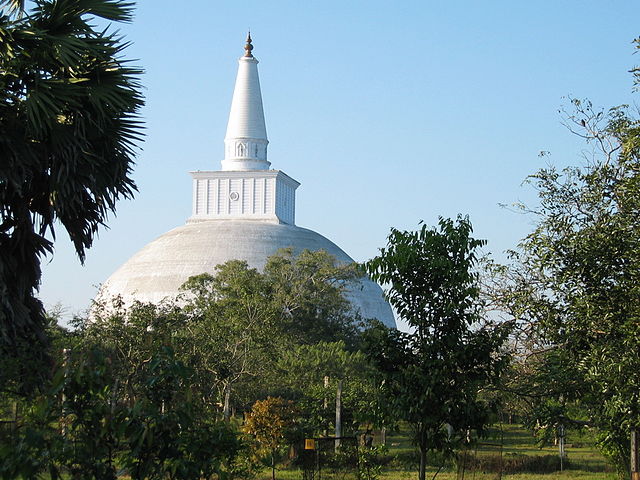
Mahavamsa §29[5] records that during the rule of the Greco-Bactrian King Menander I, a Yona head monk named Mahadharmaraksita led 30,000 Buddhist monks from "the Greek city of Alasandra" (v, around 150 kilometres (93 mi) north of modern Kabul, Afghanistan) to Sri Lanka for the dedication of the Ruwanwelisaya in Anuradhapura, indicating that Greco-Buddhism contributed to early Sri Lankan Buddhism. See also the Milinda Panha.
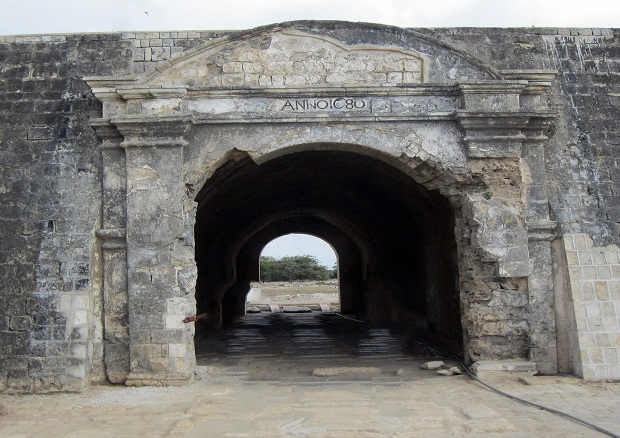
Jaffna Fort. Jaffna Fort is a fort built by the Portuguese at Jaffna, Sri Lanka in 1618 under Philip De Olivera following the Portuguese invasion of Jaffna.
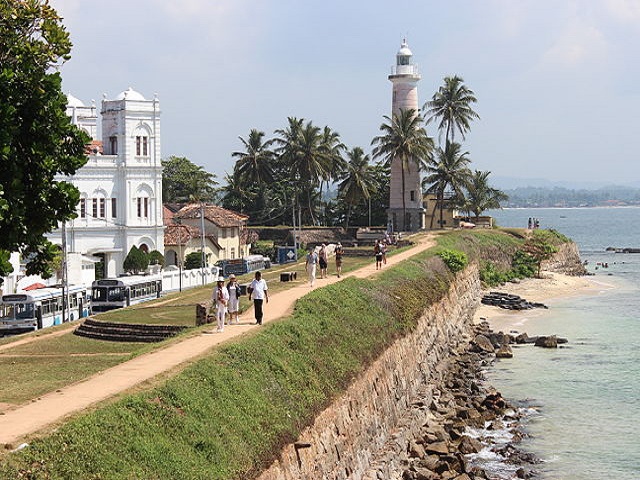
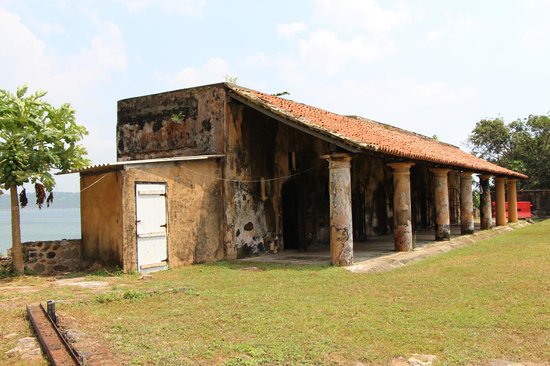
Black Fort Galle. Black Fort, also called Zwart Fort, which can be reached after walking along the Galle fort wall is the oldest built bastion.
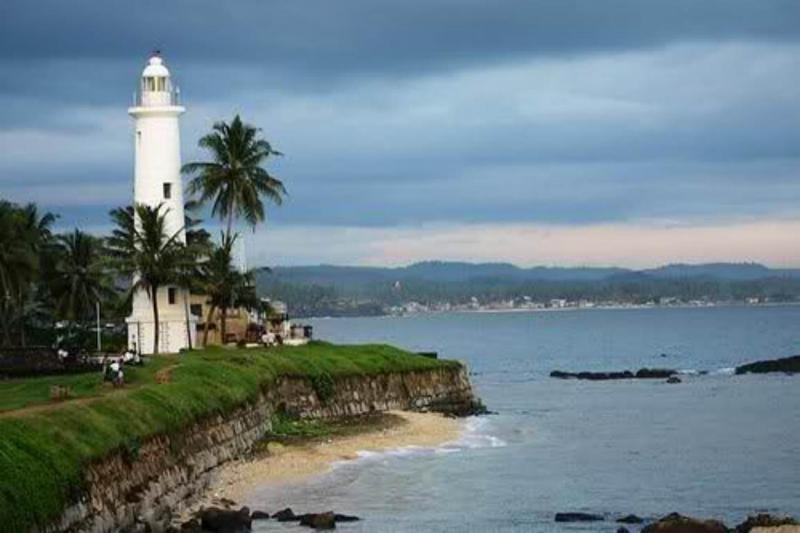
Galle Lighthouse (also known as Pointe de Galle Light) is an onshore Lighthouse in Galle, Sri Lanka and is operated and maintained by the Sri Lanka Ports Authority.
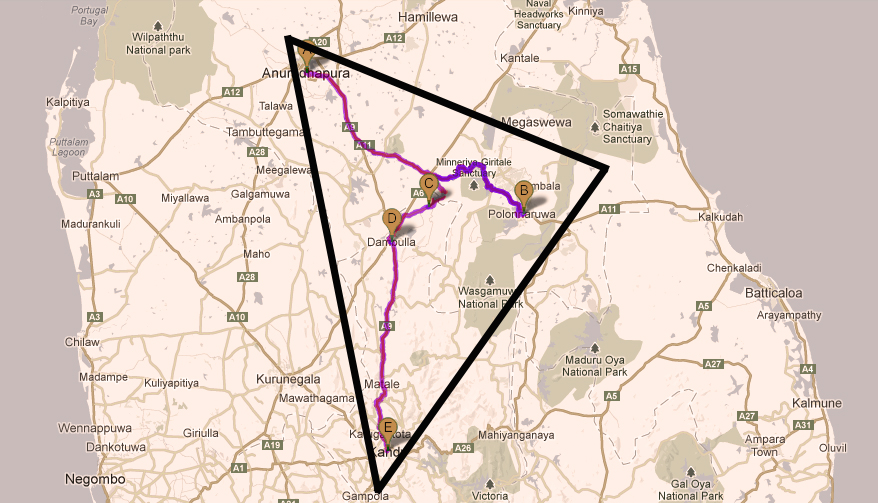
The North Central Plains of Sri Lanka which belongs to the dry zone of the island is mainly covered in thick shrubbery forests and isolated mountainous outcrops which are surrounded by flat land.