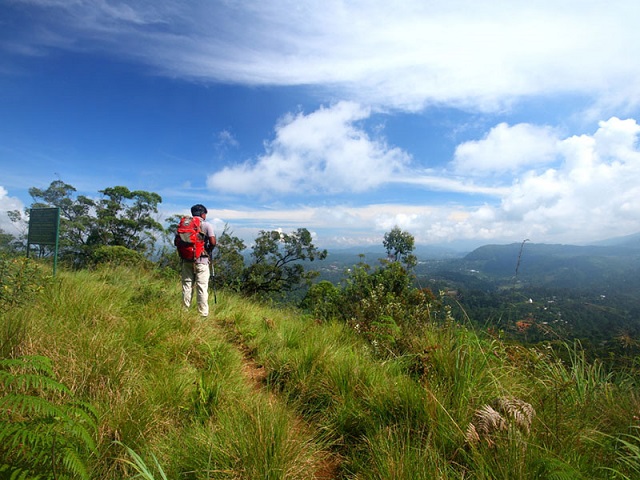
Wild Animal of Sri Lanka
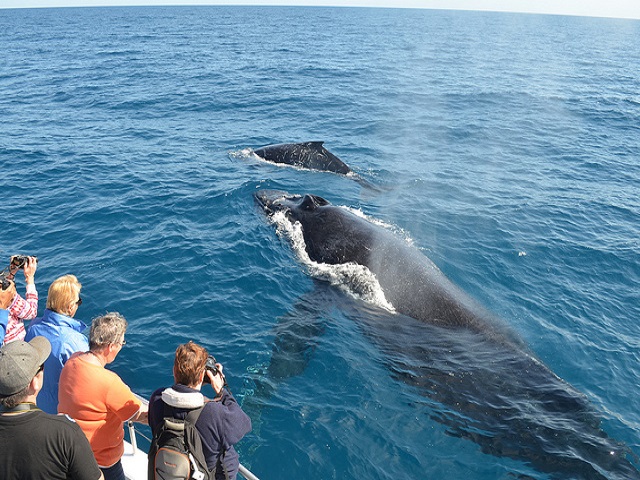
Sri Lanka is one of the best places in Asia for seeing wildlife. It is also one of the best all-round wildlife destinations in the world for a mix of big game, marine life and varied landscapes, all packed into a compact area with a very good tourism infrastructure.The island’s isolation from the mainland, the heavy rainfall of the two diagonally-blowing monsoons, and the country’s wide range of altitudes, have given Sri Lanka a variation in climate and biodiversity normally found only across an entire continent. On top of that, the island has become known as the easiest place in the world to see the hitherto elusive blue whale, the largest animal to have ever lived in the planet.
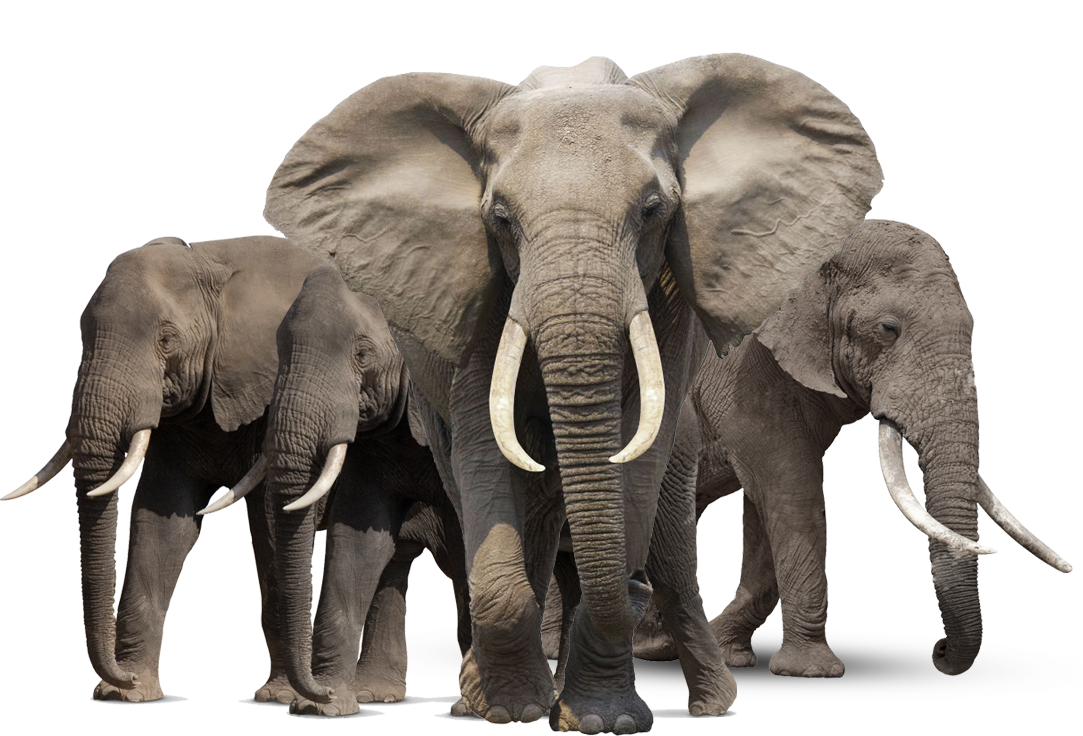
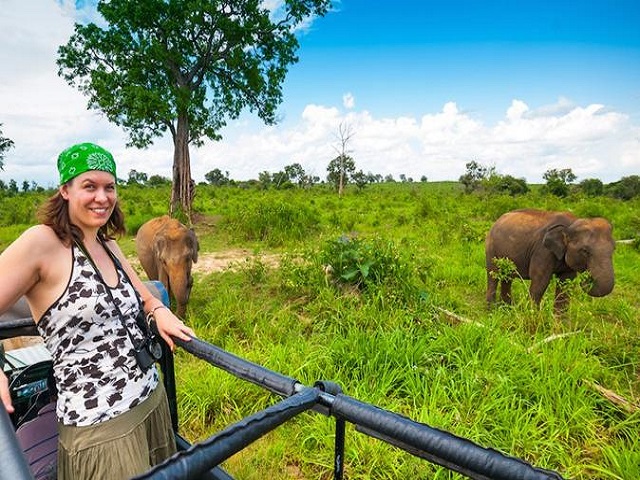
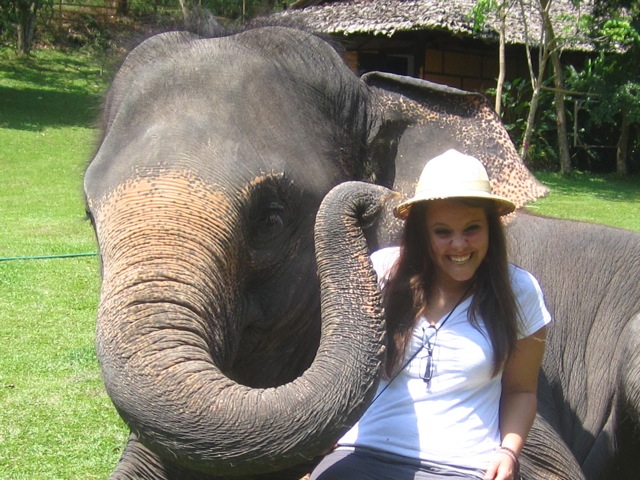
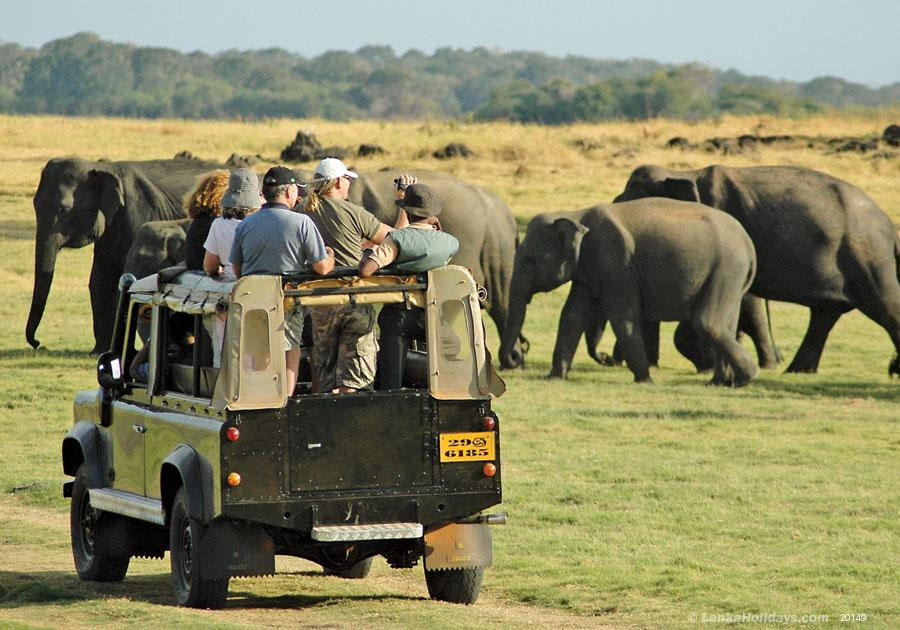
Created to protect the watershed of the enormous Udawalawe Reservoir, this park, just south of the central mountains, has extensive stretches of grassland as well as scrub jungle and riverine forest. It’s the best in the continent for observing Asian elephants in the wild; in fact elephant sightings are virtually guaranteed, even if you only go on one game drive.
Otherwise, the park is poor for viewing mammals, but birdwatchers will enjoy the presence of fabulously named raptors such as the changeable hawk eagle, serpent eagle and grey-headed fish eagle.
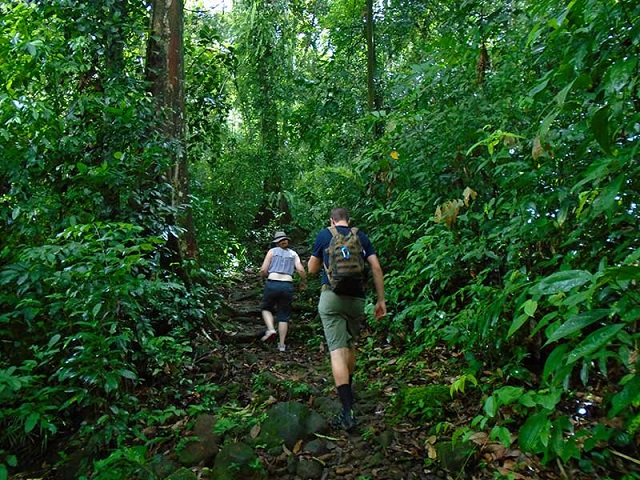
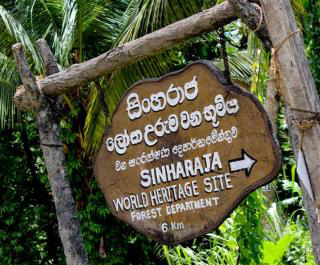
Situated in the wet south-west of the island, this is the country’s premier rainforest. The canopy towers up to 45m in places and more than half of the trees here are found nowhere else in the world. Mixed-species bird flocks are a key feature of Sinharaja. Around six endemic birds may make up one flock, including species such as red-faced malkoha, green-billed coucal and Sri Lankan blue magpie. Animals present include leopard, purple-faced langur, barking deer and three types of squirrel.
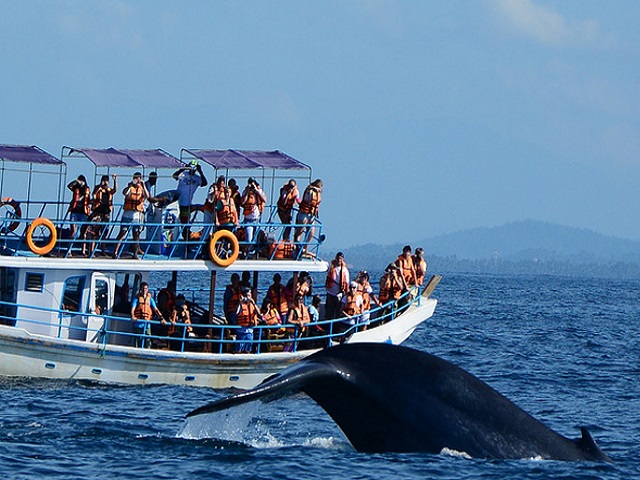
Mirissa, in the south and close to the Dutch fort and port city of Galle, is studded with luxury villas and great food. It’s probably the most developed for whale watching tourism, following a media blitz in May 2008 that it was the best for blue whale. The encounter rate is on average over 80% in the months from December to March.
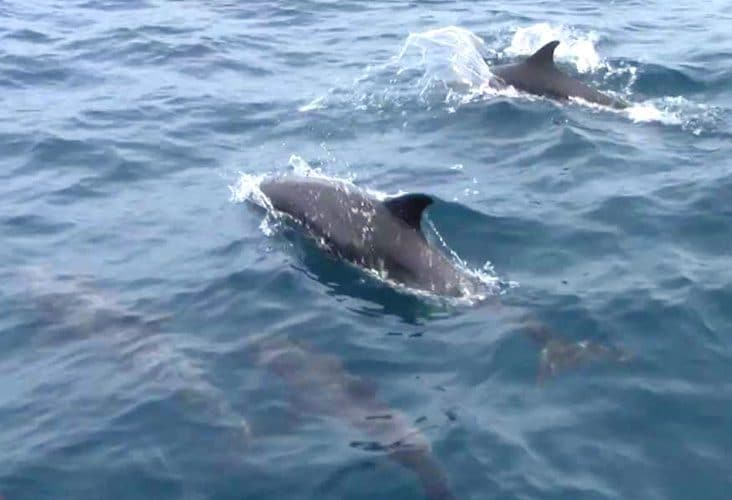
Kalpitiya, a peninsula in the north-west, is famous for its dolphins and periodic visits by super-pods of sperm whales, the largest gatherings in the world accessible to tourists. The peninsula is also close to Wilpattu National Park, and the Bar Reef Marine Sanctuary is great for snorkelling.
Trincomalee, in the north-east has a submarine canyon cutting in close to shore. Blue whales are sometimes seen from the pool-side of resorts and Swami Rock is the best shore-based location for views of blue whales.
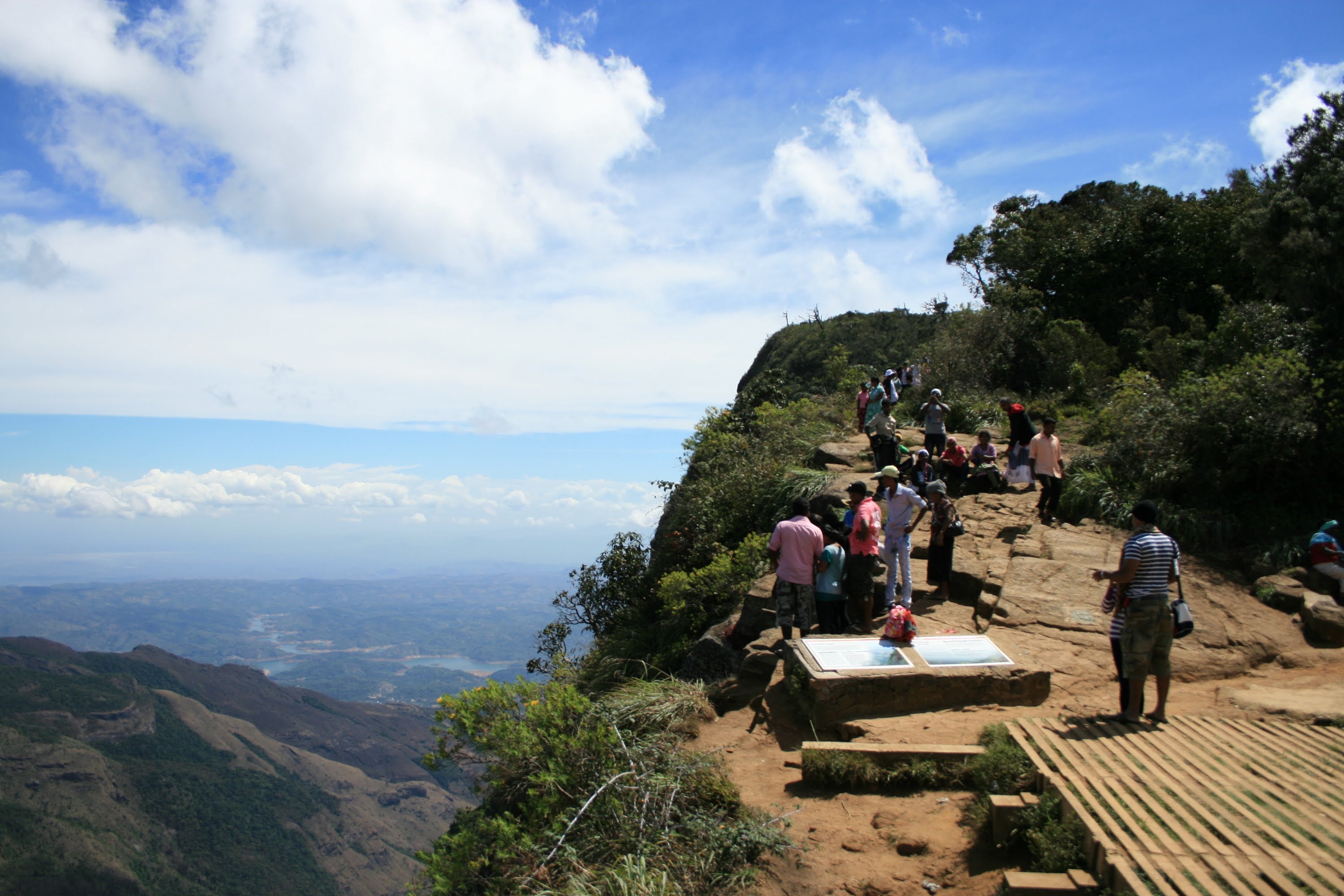
Towering up in the central highlands, Horton Plains is the highest plateau on the island. The cloud forests here are rich in endemic plants and animals that have adapted to the cooler climes (temperatures can fall below freezing at night).
Birds such as the Sri Lankan whistling thrush and Sri Lankan bush warbler are best seen here. The dwarf lizard, found only in the montane zone, has evolved the ability to give birth to live young in order to avoid the problems of laying in such egg-chilling temperatures.