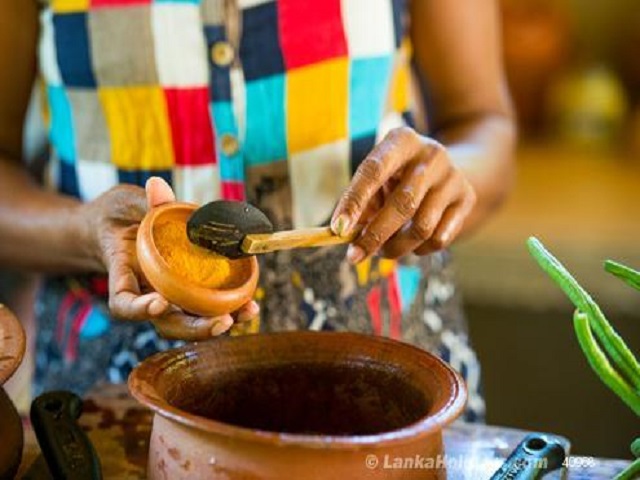
Spices of Sri Lanka
Spices enhance the colour, fragrance and flavour of food. In addition many of them also have many health benefits. Used in the right combination, spices can turn the simplest food into an aromatic and rich experience in the world of cooking. Of course, used incorrectly, if the wrong spices are combined, they will make food taste terrible and bitter. Hence care and knowledge is important for the successful use of spices. Here are a few interesting things to know when cooking with spices:
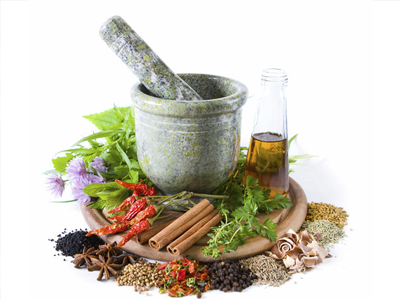
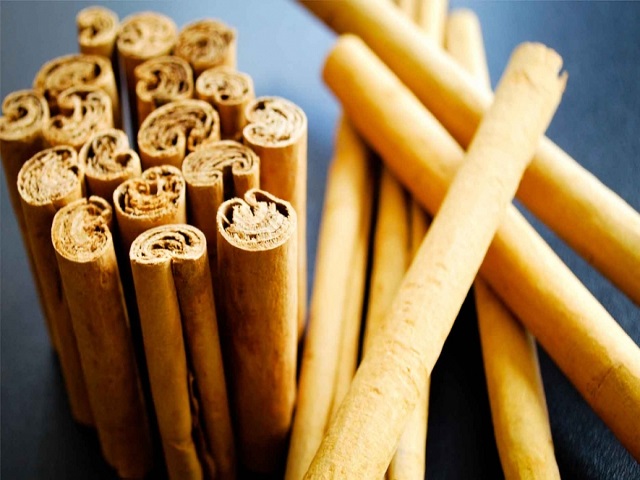
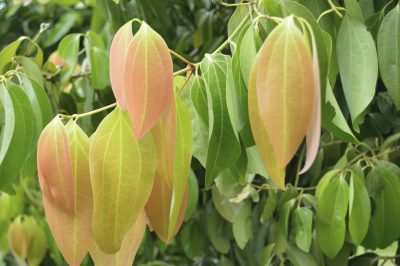
Cinnamon refers to Cinnamomum Verum or ‘true cinnamon,’which is a plant endemic to Sri Lanka. Most other cinnamon (from other countries) is from related species of plants and is called ‘cassia’. It is a spice obtained by making shavings (also known as quills) of the inner bark of the cinnamon plant.
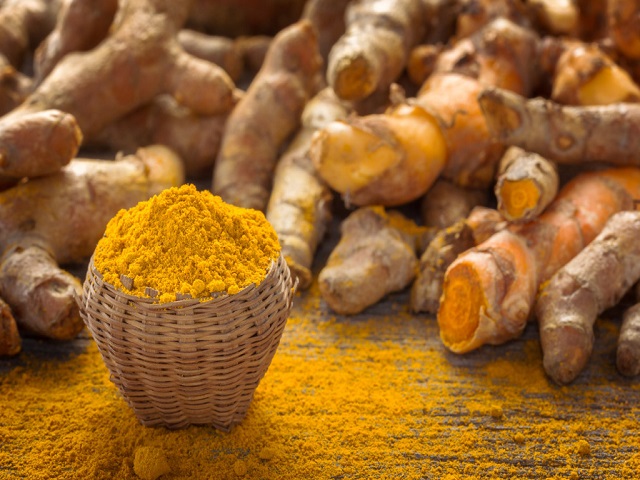
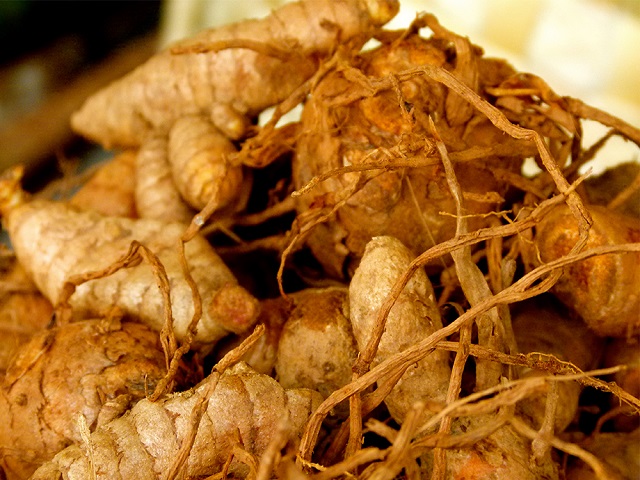
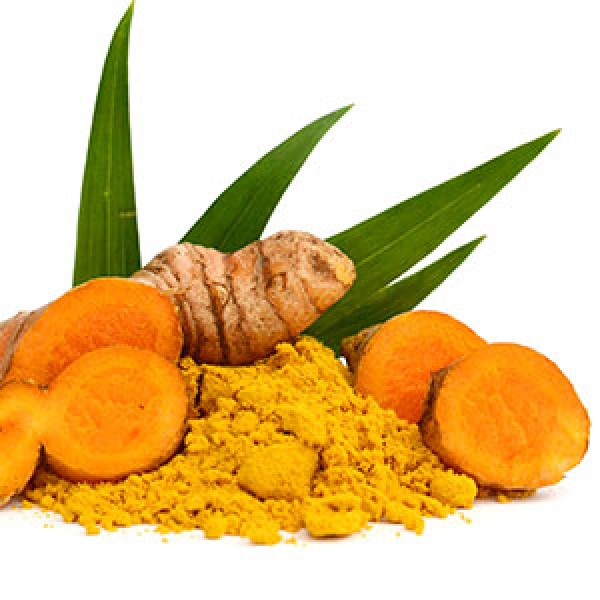
Turmeric (binomial name: Circuma longa), once processed from the rhizomes, is a deep orangish yellow powder. It is used mainly to impart colour or in other words dye foods. Though used mainly as a powder, turmeric is also used fresh in its rhizome form in certain regions of the world.
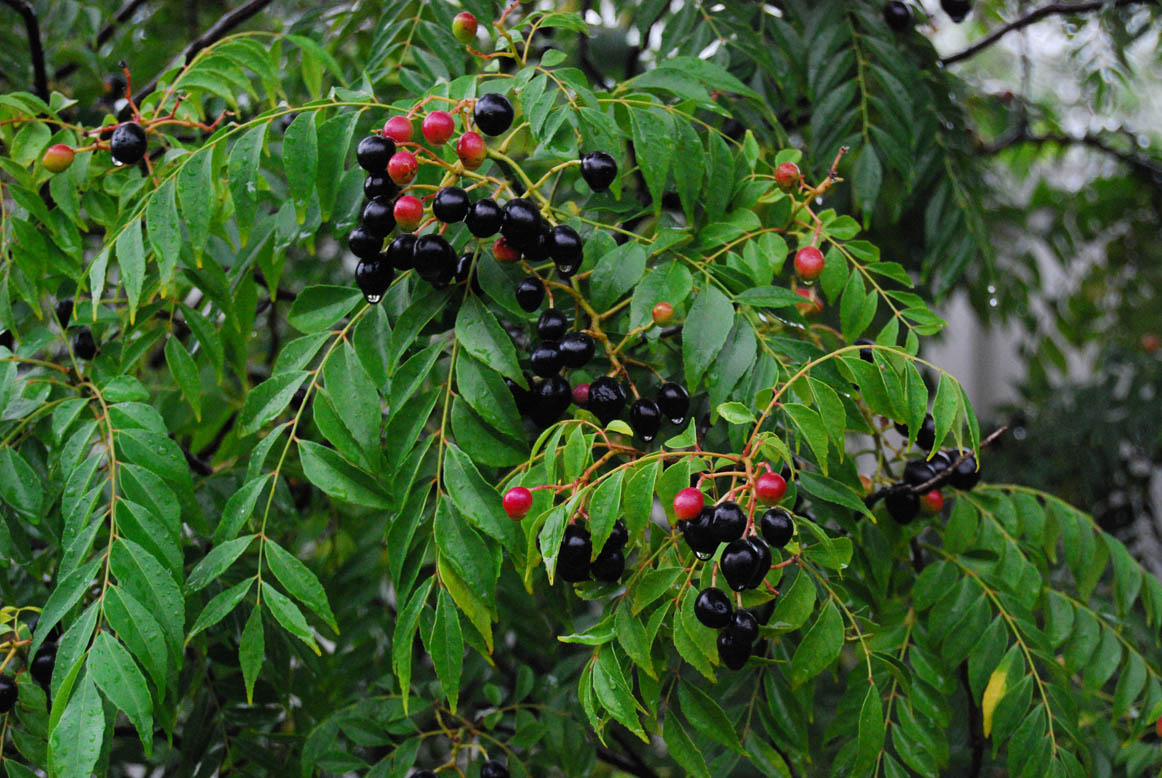
The Curry Tree (binomial name: Murraya koenigii) is a tropical tree native to India and Sri Lanka. Its fragrant leaves are called curry leaves as they are popular for spicing up curries. Curry leaves have many medicinal properties including being anti-diabetic.
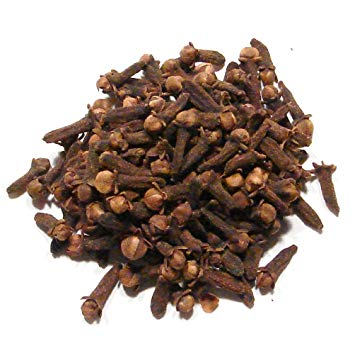
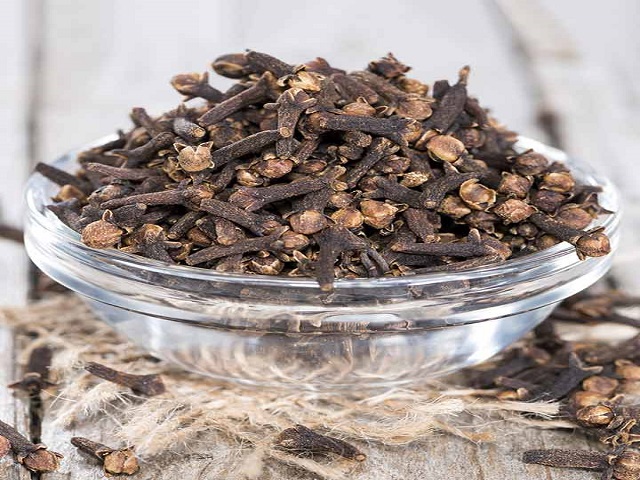
Cloves, which are the flower buds of a form of evergreen tree, originate from the Maluku Islands, Indonesia. They are primarily used as a spice, but are also used for medicine, fragrance (pomander) and clove cigars. When it comes to culinary purposes cloves are used in Asian, African, Mexican and Middle Eastern cuisine. They are most often used to add depth to meats, curries and marinades.