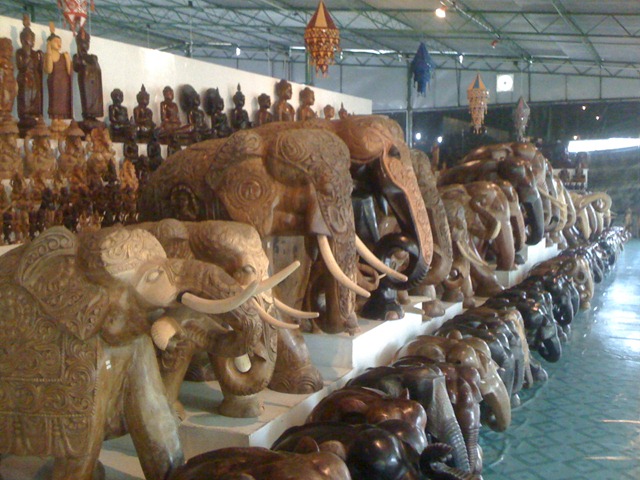
Handycraft of Sri Lanka
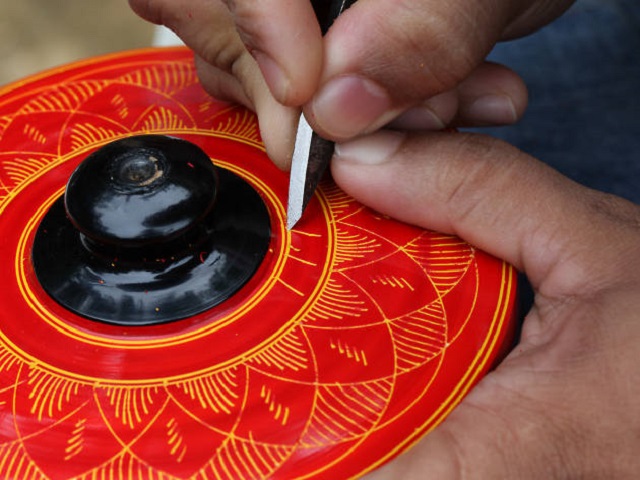
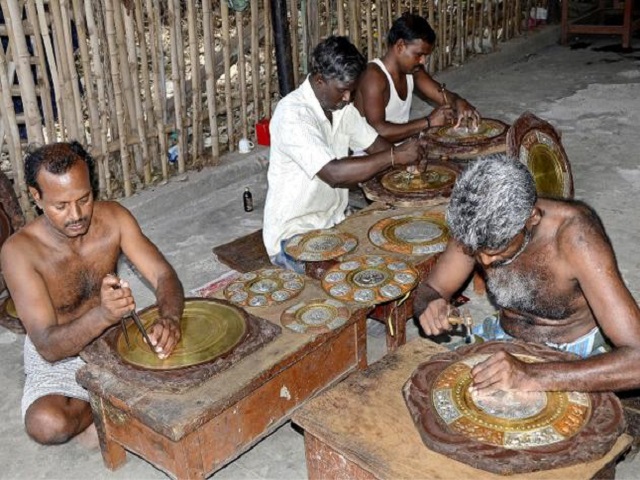
Sri Lanka handicrafts are of a history that runs back to millenniums. Production of Sri Lanka’s handicrafts, with the exception of Jewelry, is essentially a cottage industry: products are turned out making use of natural raw materials by means of time tested age-old techniques. The traditional skills have been preserved with its purity, resulting in the continuance of characteristic identity of Sri Lanka Handicrafts. Sri Lanka’s ancient social system having its Indo-Aryan roots has been largely instrumental in preserving traditional skills with its characteristic identity; certain arts and crafts were assigned to defined socio-occupational groups.
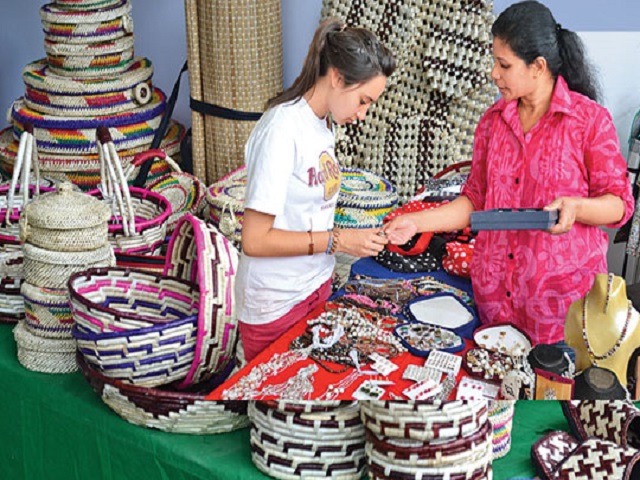
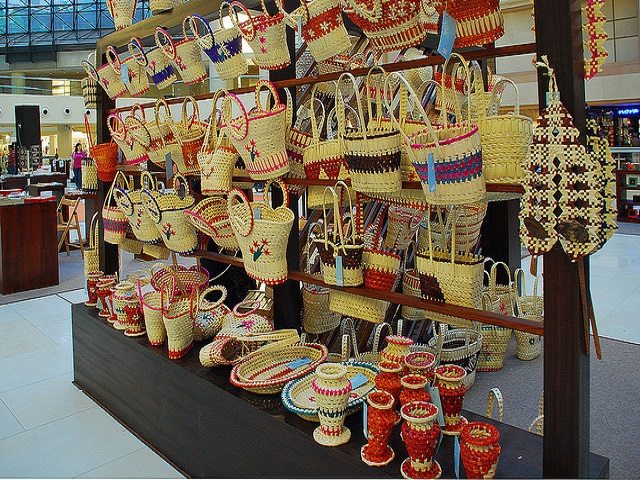
Sri Lanka’s wide variety of very attractive handicrafts can be found throughout the island in shops, street stalls and government-run stores. Ivory and tortoise shell handicrafts once sold at large, are no longer legal in Sri Lanka.
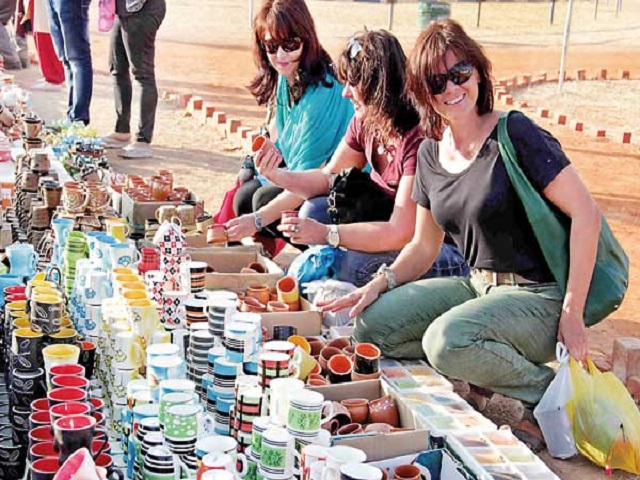
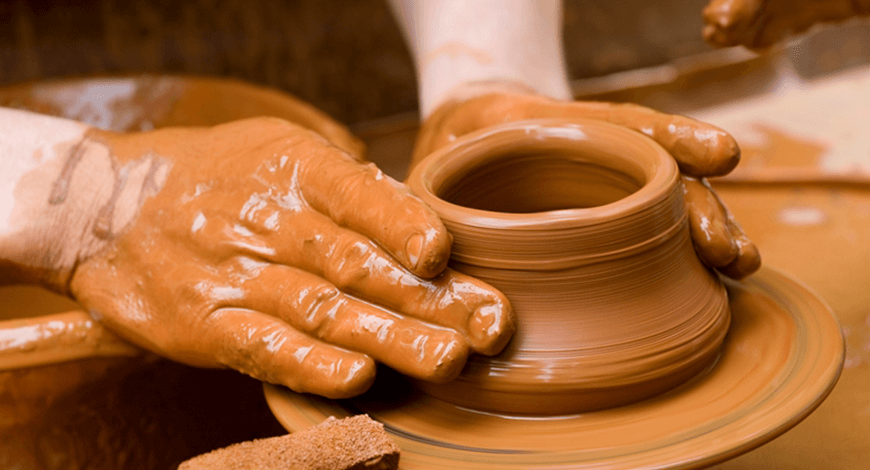
Pottery is one of the oldest crafts in Sri Lanka and is still a daily utensil of many people who retain using clay pots for cooking. In addition to pots, the more intricate products likes terracotta figures, carved vases, etc are made as well for souvenirs.
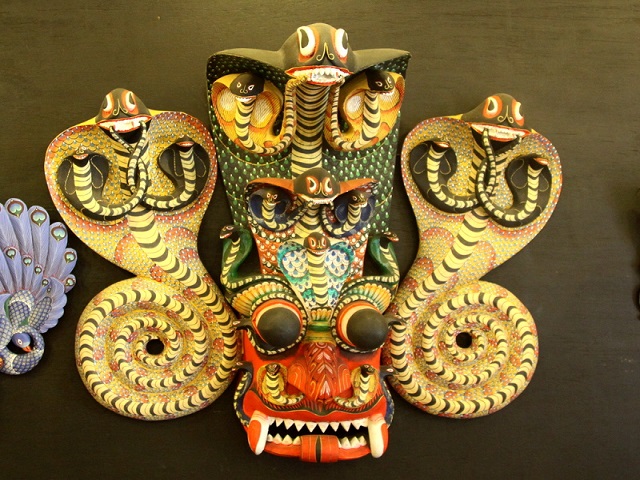
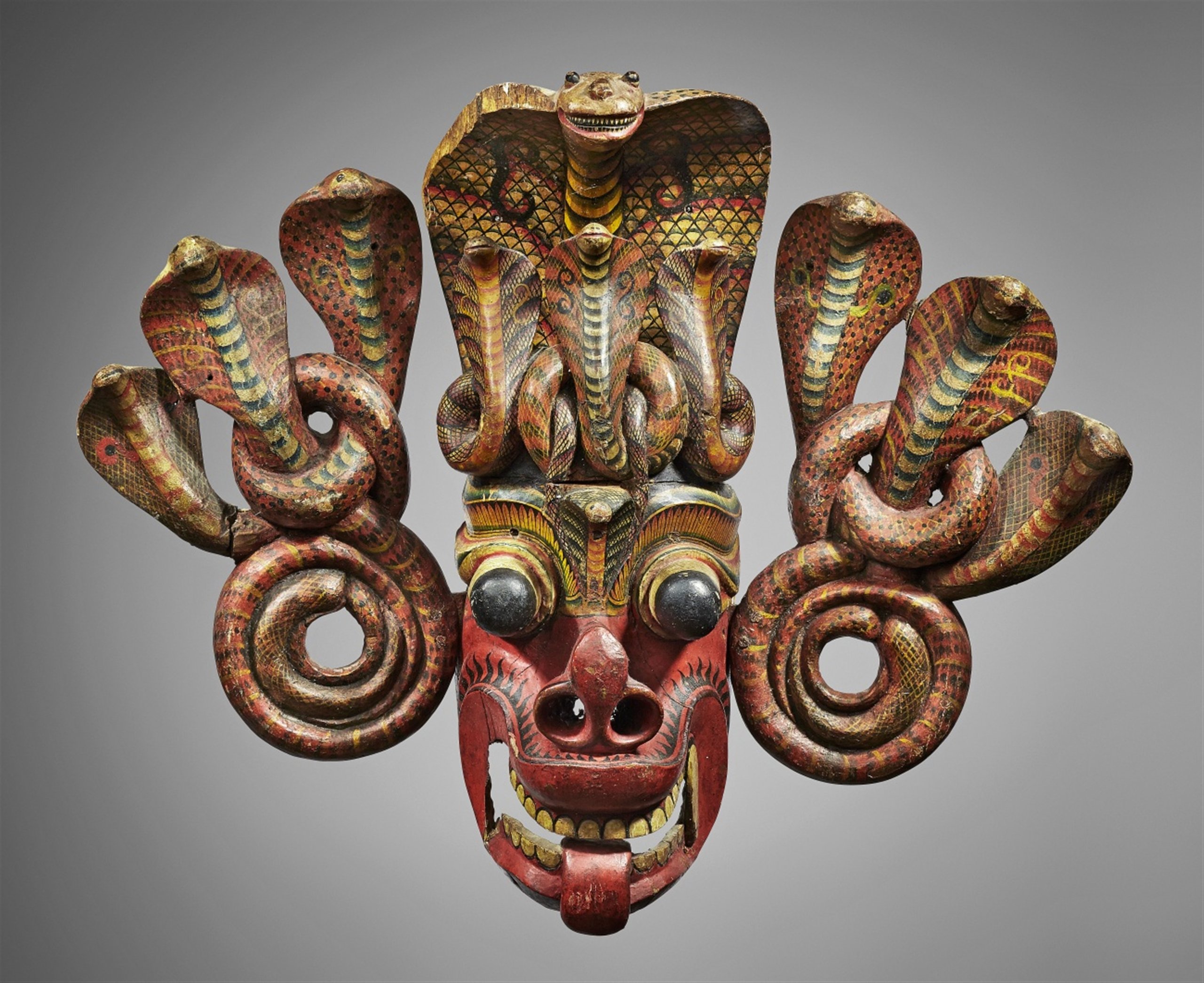
Mask is a facial decorative wear used in Sri Lankan dancing. In early times, the masks were used in rituals, dramas, and curing sickness. It is believed that mask provide curative power for physiological problems. Most masks are made form a light wood called Kaduru and craved into various characters.
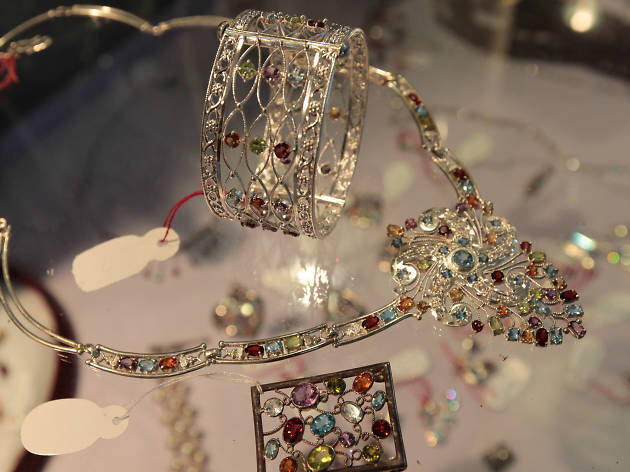
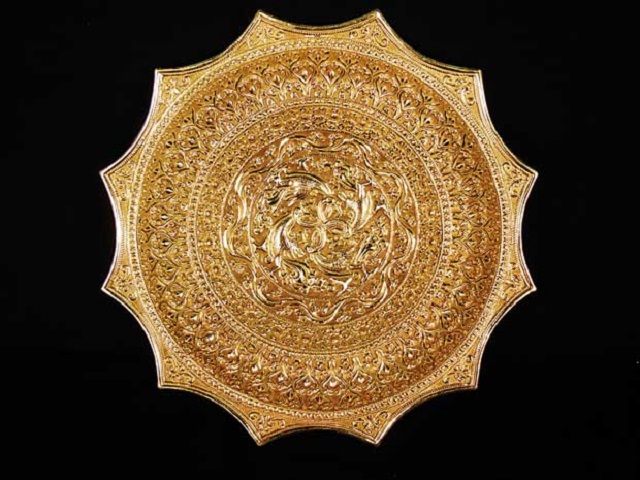
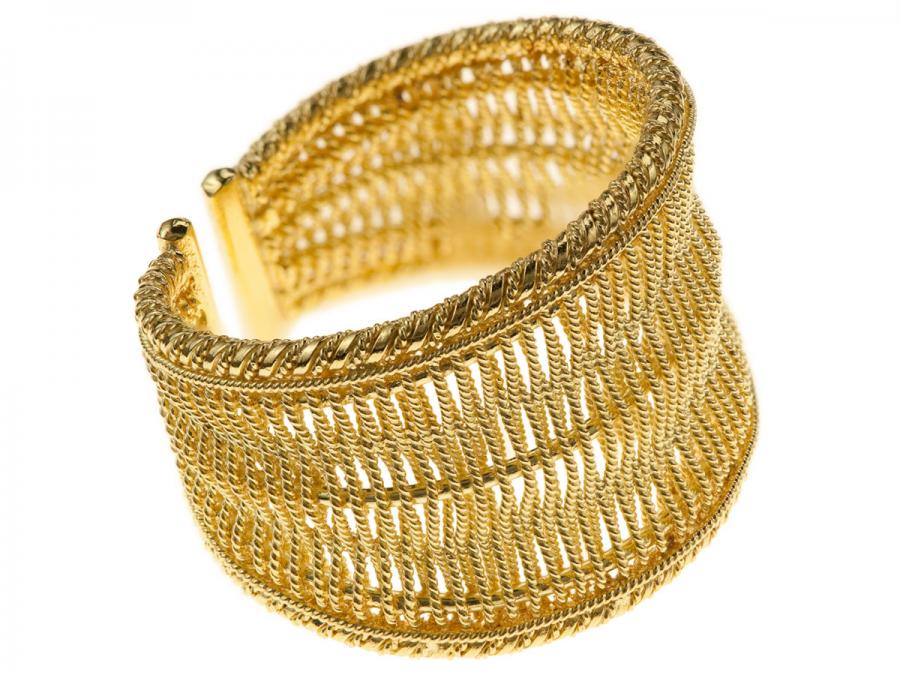
Sri Lanka produces excellent jewelry which considerably benefits its economy. There are two traditions of jewelry making: Galle tradition and Kandyan tradition. The Galle tradition is characterized by its precious stones while the Kandyan tradition is featured by its intricate metal work, especially silver work.